Audiences enter horror films with certain expectations even before the first scene unfolds. We anticipate eerie soundscapes, unsettling imagery, and narratives centered on fear, death, or the supernatural. Horror cinema teaches viewers to interpret signs—shadows, camera angles, and character behavior—as clues that danger is approaching. In comparing Sinners with James Wan’s The Conjuring (2013), it becomes clear that while both belong to the same genre, they differ greatly in subject matter and filmmaking style. Each demonstrates Modus Legendi, guiding audiences to read its unique cues, and each uses visual strategies to shape mood, pacing, and anticipation.
Both films rely on familiar horror conventions. Vulnerable characters face forces beyond their control, whether rooted in moral corruption or supernatural evil. Suspense builds through silence, pacing, and sudden disruptions, and audiences expect escalating danger that culminates in a decisive revelation. Yet the source of fear diverges. Sinners emphasizes psychological and moral horror, exploring guilt, punishment, and human depravity. Its terror stems from human choices and their consequences. The Conjuring, by contrast, dramatizes demonic possession and spiritual warfare, situating horror in the realm of faith and exorcism.
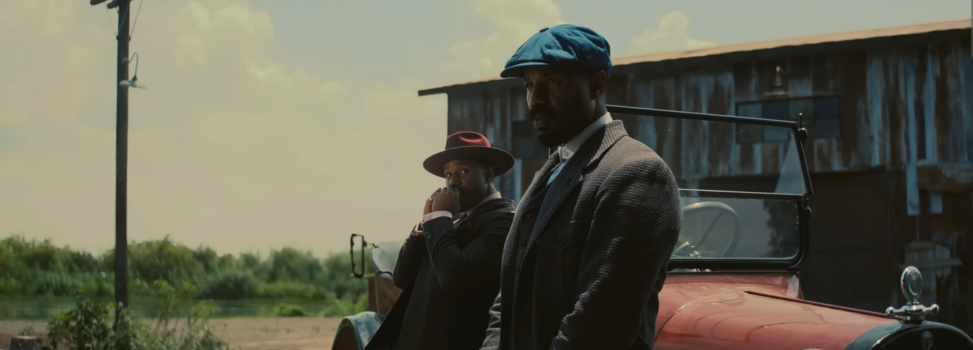
Stylistically, the films take different approaches. Sinners uses stark realism, muted lighting, and deliberate pacing to heighten psychological unease. Its horror is intimate, forcing viewers to dwell on moral tension. The Conjuring, however, relies on set pieces, dynamic camera work, and heightened sound design to add on supernatural dread. Wan’s film leans into spectacle, while Sinners emphasizes introspection. These stylistic choices shape how audiences experience fear: one through inevitability and guilt, the other through unpredictable demonic intrusion.
Modus Legendi—the way audiences are taught to interpret a film—is central to both. In Sinners, viewers learn to read moral symbols: religious imagery, confessions, and acts of violence that reveal deeper truths about guilt and redemption. In The Conjuring, audiences are trained to interpret supernatural signs: creaking doors, shadows, and the growing presence of the demonic. Each film guides viewers to decode its symbolic language, shaping how suspense and meaning unfold.
Visual techniques reinforce these modes of reading. Sinners employs dim, naturalistic lighting to create claustrophobic realism, while The Conjuring uses sharp contrasts of light and shadow to heighten fear. Camera movement in Sinners is often static or slow, reinforcing inevitability, while The Conjuring employs tracking shots and sudden zooms to mimic the instability of haunted space. Editing pace also differs: Sinners maintains deliberate pacing, while The Conjuring alternates between long suspenseful takes and rapid cuts during possession scenes. Sound design completes the contrast: silence dominates Sinners, while The Conjuring uses crescendos, distorted noises, and sudden crashes to manipulate audience expectations.
Each film builds toward a pivotal moment that crystallizes its themes. In Sinners, the turning point occurs when the protagonist confronts the consequences of their actions, revealing the film’s central message about guilt and punishment. In The Conjuring, the climax arrives during the exorcism, when Lorraine Warren invokes the mother’s love to banish the demon. This scene embodies the film’s theme of faith and familial strength. Screen grabs from these moments would illustrate the nature of each revelation: a close-up of the protagonist in Sinners, framed in shadow as realization dawns, and Lorraine confronting the possessed mother in The Conjuring, light breaking through the darkness as resolution nears.
In conclusion, while both Sinners and The Conjuring belong to the horror genre, they diverge in subject and style. Sinners roots its terror in human morality, while The Conjuring dramatizes supernatural evil. Each demonstrates Modus Legendi by teaching audiences to interpret its unique signs—moral symbols in one, supernatural cues in the other. Their visual techniques shape mood, pace, and expectation, guiding viewers toward pivotal revelations that define the films’ messages. Together, they show horror’s versatility: a genre that can terrify through both the human psyche and the unseen world.
Provide Feedback