What We Already Know About Horror Movies
Before even pressing play on a horror movie, audiences carry expectations built through years of genre conventions. We anticipate fear, tension, jump scares, and dark revelations about human nature. The genre’s purpose is to unsettle; whether through supernatural forces, moral corruption, or psychological collapse. We expect dim lighting, discordant sound, and characters who uncover truths better left hidden. Both Sinners and Insidious draw from these expectations but use them differently to communicate their own moral and emotional themes.
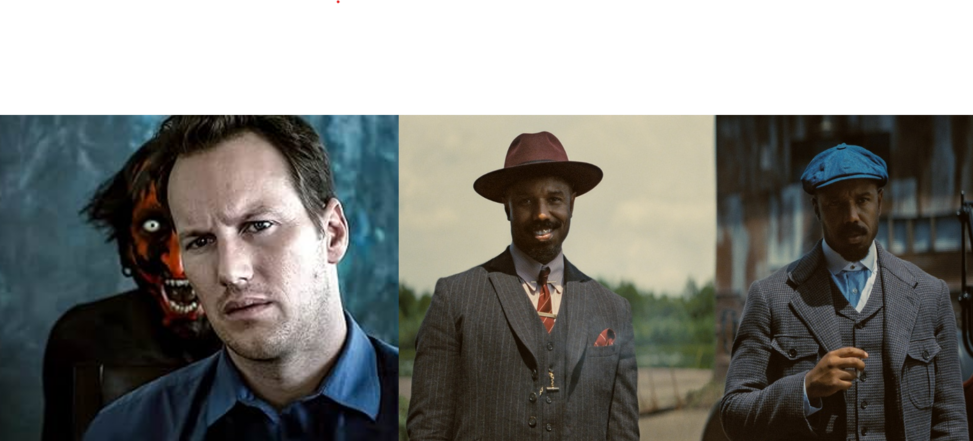
Comparison of Sinners and Insidious
Both films explore the idea of moral and spiritual corruption, though through distinct lenses.
Sinners: (2022, directed by Dustin Mills) uses religious symbolism and psychological horror to examine guilt and moral hypocrisy in a small-town context. Its tone is introspective, mixing realism with disturbing imagery to critique how communities weaponize sin and redemption.
Insidious: (2010, directed by James Wan) employs supernatural horror to explore familial trauma and the fear of losing control to unseen forces. Its structure follows the haunted-house model but adds a metaphysical layer through “The Further,” a liminal spirit realm.
In subject matter, Sinners focuses on internal damnation and how guilt eats away at characters’ psyches, while Insidious externalizes that torment through haunting entities. Stylistically, Sinners leans on slow pacing and grim realism, whereas Insidious is stylized, fast-paced, and driven by elaborate sound design and editing to generate tension.
Modus Legendi: How Each Film Should Be “Read”
“Modus Legendi,” or the mode of reading/viewing, refers to how audiences are meant to interpret a work based on its cues, tone, and conventions.
In Sinners, the Modus Legendi invites an allegorical and moral reading. Viewers are asked to look beyond literal events and interpret the horror as an embodiment of religious repression and guilt. Each disturbing image functions symbolically—a commentary on how the human desire for purity can corrupt.
In Insidious, the Modus Legendi is supernatural and psychological. We are meant to read the story as both a ghost narrative and a metaphor for fear of the unknown; parental helplessness, repressed memories, and generational trauma. The film’s “rules” of The Further teach us how to navigate its world logically, making the audience both detective and victim within its supernatural logic.
Both films rely on moral allegory but differ in how overtly they use it. Sinners is more grounded and interpretive, while Insidious is visceral and sensory, guiding interpretation through spectacle.
Visual Techniques and Storytelling
Each film uses distinct visual techniques to shape mood and expectation:
Lighting and Color: Sinners uses muted tones and high contrast shadows to evoke claustrophobia and spiritual decay. Its visuals mirror moral rot; every scene feels heavy with unseen judgment.
Insidious, by contrast, employs cool blues and sudden bursts of red lighting to signify transitions between the real world and The Further. This color coding serves as a breadcrumb trail, visually alerting viewers when the supernatural is near.
Cinematography and Pacing: In Sinners, the camera lingers uncomfortably long on characters’ faces, emphasizing guilt and repression. Its slow, deliberate pace invites reflection.
Insidious relies on dynamic camera movement, quick cuts, and eerie tracking shots that keep viewers constantly on edge, unsure of what might appear in the frame next.
Sound Design: Sinners uses silence and ambient noise (church bells, whispers, and breathing) to build internal tension.
Insidious features aggressive, orchestral stingers and distorted diegetic sounds that manipulate emotional tempo. Together, they turn ordinary domestic spaces into zones of dread.
These techniques define each film’s relationship with fear. Sinners unsettles the mind; Insidious shocks the senses.
Conclusion
Both Sinners and Insidious operate within the horror genre yet serve different narrative functions. Sinners invites intellectual horror—its terror stems from moral decay and religious hypocrisy; while Insidious delivers emotional horror through supernatural spectacle and family fear. Their Modus Legendi differ but converge in revealing that horror, at its core, reflects humanity’s struggle with guilt, control, and the unseen consequences of belief.
Through distinct visual and narrative techniques, both films remind us that the greatest terror often arises not from monsters or ghosts, but from the shadows cast by our own convictions.
Provide Feedback